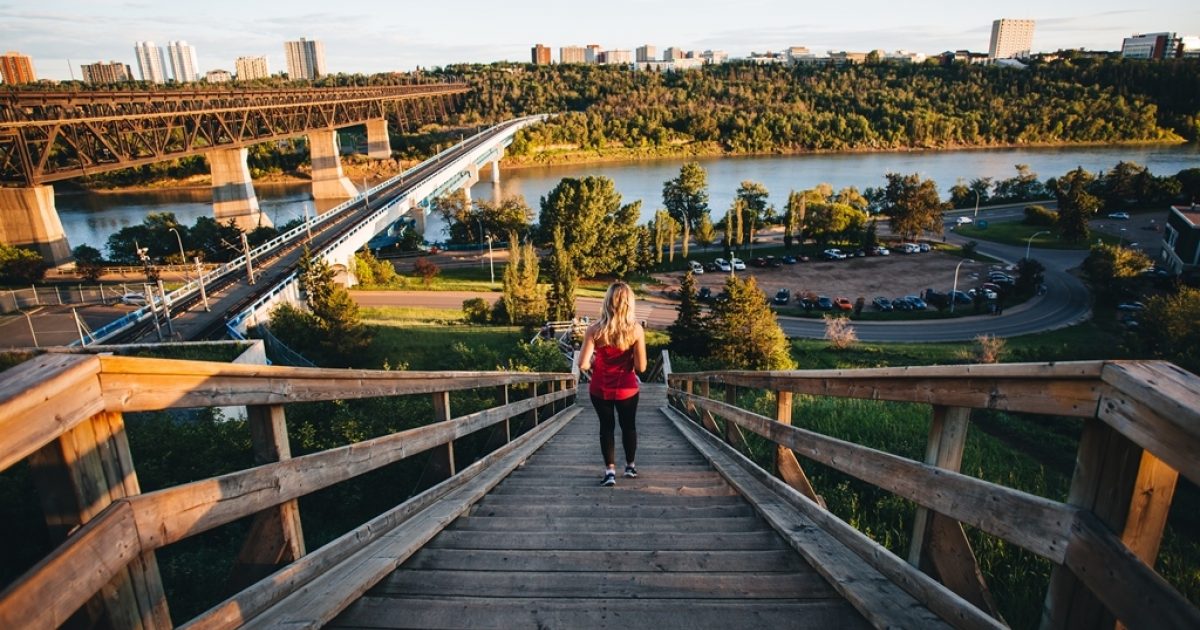
Edmonton has something that most cities our size don’t: 160 kilometers of maintained trails running through the largest urban parkland in North America. The North Saskatchewan River Valley isn’t just scenery—it’s one of the best fitness resources in the country, and it costs nothing to use. Yet for a lot of Edmontonians, it remains an underutilized asset, something we drive past rather than build our fitness routines around.
For more on this, see our hiking trails near guide. For more on this, see our beginner friendly bike guide. For more on this, see our running trails edmonton guide. For more on this, see our maximize river valley guide. For more on this, see our hiking trails near guide.This isn’t a lecture about how you should be exercising more. It’s a practical guide to actually using what’s available—because once you know the system, the river valley becomes surprisingly accessible for everything from casual walks to serious training.
Understanding the Terrain
The river valley isn’t flat. This sounds obvious, but it matters for planning. You’re looking at roughly 50 meters of elevation change between the valley floor and the top of the bank in most areas. That means built-in hill training if you want it, but it also means knowing what you’re getting into before you start.

The paved multi-use trails along the valley floor are the most accessible option—wide, well-maintained, and relatively level. These run almost continuously from Devon to Fort Saskatchewan, with the most popular sections between Emily Murphy Park and Capilano. If you’re looking for a flat, predictable surface for running, cycling, or walking, stick to the valley floor.
The ravine trails that connect neighbourhoods to the valley are where it gets interesting. Mill Creek Ravine, Whitemud Creek, Terwillegar Park—these offer more challenging terrain, more solitude, and more variation. Some are paved, some are gravel, some are single-track dirt that turns to mud in spring and ice in early winter. Knowing which is which saves frustration.
Seasonal Realities
Spring (April-May): The honest truth is that the trails are often a mess. Freeze-thaw cycles create ice patches on shaded sections while sunny spots turn to mud. The valley floor trails clear first; the ravines can stay treacherous into May. This is when you need proper footwear with grip—not the time for road running shoes.

Summer (June-August): Prime time. The trails are packed on weekends, especially the sections near access points. If crowds bother you, go early—6 am on a summer Saturday is a completely different experience than 10 am. The extended daylight (we’re talking 17+ hours around solstice) means you can fit in evening activity without headlamps.
Fall (September-October): Arguably the best season for river valley fitness. Cooler temperatures, stunning colors, fewer people, and trails that are dry and firm. The daylight is still reasonable through October. This is when the valley is most comfortable for sustained effort.
Winter (November-March): This is where Edmonton becomes Edmonton. Some paved sections get cleared; most don’t. The groomed cross-country ski trails (Goldstick Park, Riverside Golf Course, parts of Hawrelak) are excellent if you ski. For running or walking, you need traction devices (Yaktrax, ice cleats, or similar) and acceptance that your pace will be slower. The tradeoff is genuine solitude—you can have entire sections of the valley to yourself.
For more on this, see our beginner friendly bike guide. For more on this, see our running trails edmonton guide. For more on this, see our maximize river valley guide.Practical Starting Points
If you’re new to the river valley or returning after a long break, here are some manageable entry points:
Louise McKinney Park to Cloverdale footbridge: About 4 km out-and-back, mostly flat, paved, close to downtown. Good for a lunch break walk or a first run of the season.
Hawrelak Park loop: The perimeter path is roughly 2.5 km with gentle hills. Parking is easy, there are washrooms, and the terrain is forgiving. Popular with families, so expect company.
Mill Creek Ravine (south section): Start at Argyll Road and head north toward Whyte Ave. Mixed paved and gravel, some hills, quieter than the main valley. About 6 km out-and-back to the Muttart area.
Terwillegar Park: A bit of a drive for most, but worth it for variety. Mix of open fields and forested trails, excellent for dogs if that’s part of your fitness equation.
Building a Routine
The research on exercise adherence is pretty clear: people stick with activities that are convenient, enjoyable, and social. The river valley can hit all three if you set it up right.

Convenient means knowing your closest access point and having a go-to route that doesn’t require planning. For most Edmontonians, there’s a ravine or valley access within 10-15 minutes of home. Figure out which one is yours.
Enjoyable means matching the trail to your mood and energy. Some days call for the paved path where you can zone out. Some days call for the single-track where you have to pay attention. Having options within the same park system means you can vary the experience without adding logistics.
Social means tapping into the substantial community of people already using these trails. Running groups meet at various points throughout the week (November Project at the Leg grounds, various Run Club chapters). The cycling community is active. Even showing up consistently at the same time builds a loose community of familiar faces.
The Cost Comparison
A mid-range gym membership in Edmonton runs $40-80/month, or $480-960/year. Some of that money buys things the river valley can’t offer—weight equipment, climate control, classes. But if your primary fitness activity is cardio-based—walking, running, cycling—the river valley provides a superior experience at no cost. The terrain is more varied, the air is fresher, and the mental health benefits of outdoor exercise are documented and real.
The investment shifts to gear: proper footwear for the season, layers for variable weather, maybe a hydration pack for longer outings. But this is one-time spending, not recurring, and much of it serves you beyond just river valley use.
We live in a city with world-class outdoor infrastructure. Using it isn’t virtuous—it’s practical. The river valley is right there, maintained by our tax dollars, waiting to be part of your routine. The only question is which access point you’ll start from.
Related Reading
- Why Edmonton Fall Weather Triggers Fitness Motivation Shifts:…
- Meditation Studios vs Gyms in River Cree Edmonton: Which Fits Your…
- How to Transition Outdoor Fitness Indoors During Smoke Season:…